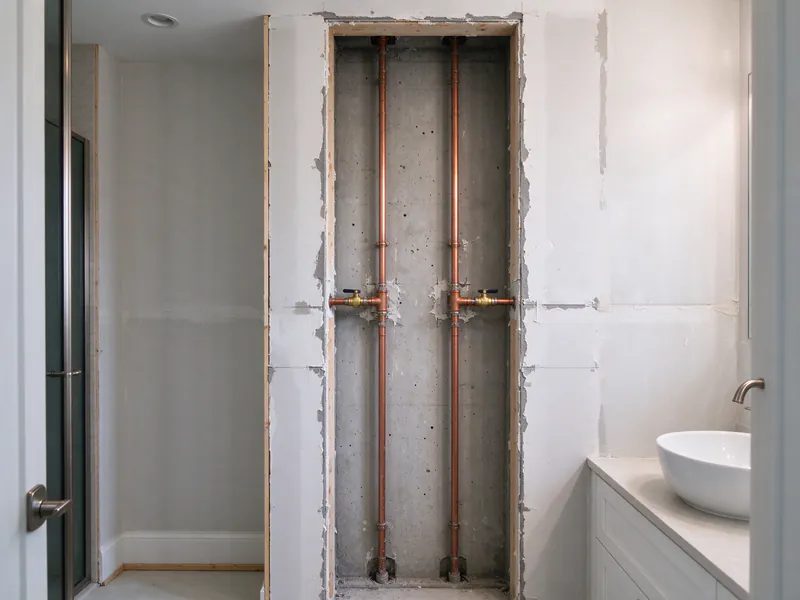
The same corner of the same ceiling gets wet on the fourth floor, then the sixth, then the third. Residents on one side of the building complain the hot water never gets hot. Every shutoff for a small repair takes water from a dozen units. Those are riser problems. For plumbing riser replacement, Dallas buildings usually get one vertical stack replaced at a time while the units it feeds stay occupied. Fullbore Dallas Repiping replaces water supply lines in Dallas homes and multistory buildings, from a single unit branch to every riser in a tower.
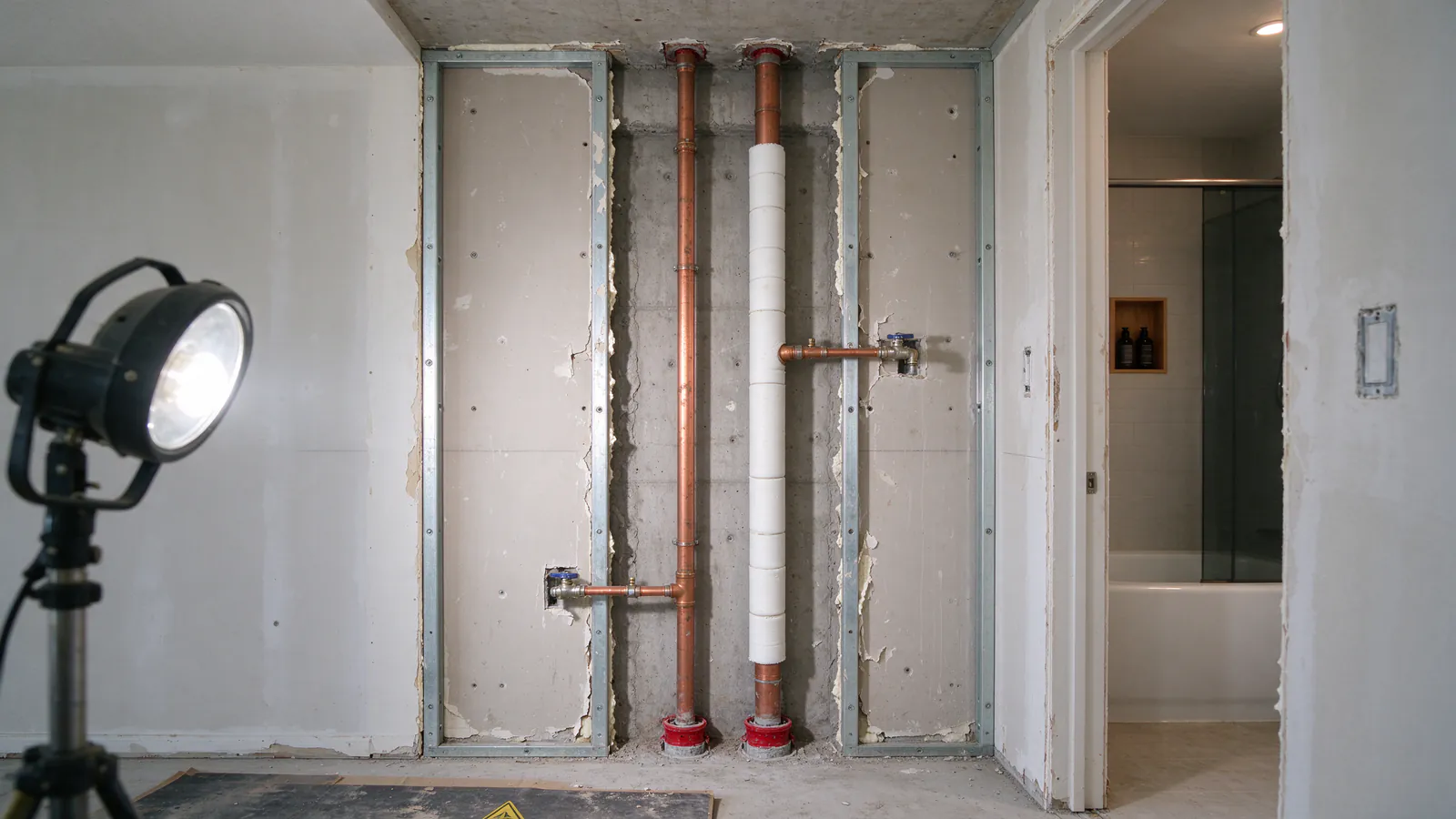
A riser is the vertical hot or cold water pipe that runs up a chase and feeds a branch on each floor. We work with condo associations, apartment owners and commercial buildings. The scope is the domestic water supply only; waste stacks and fire sprinkler risers are separate systems. Decisions inside a single condo are covered on apartment and condo repiping; this page is about the stacks those units share.
What we check on the first visit
We build a riser schedule: each stack, which floors and units it feeds, whether it carries hot, cold or a recirculation return, its size and its material. Drawings help where they exist, but we compare them with what the chases actually show, because buildings change. We also find the isolation valves at the base and top of each stack and check whether they still close.
Then we lay your leak records over that schedule. Leaks that keep coming back on one stack at different floors point to the riser. A leak tied to one unit’s fixtures points to its branch, and replacing the riser will not fix it. We also note how water reaches the upper floors. Taller buildings may use booster pumps and pressure-reducing valve stations to split the height into pressure zones, and the new risers have to fit that setup.
Why risers wear out
A riser carries every gallon its floors use, at the building’s highest pressures, for decades. Galvanized steel risers in older mid-rises narrow from the inside, and the top floors notice first. Copper risers can pinhole, most often on the hot side, where heated water and a recirculation pump running all day wear fittings from the inside. CPVC risers can turn brittle with age and heat.
Movement matters as much as material. A hot riser grows and shrinks with temperature, and over many floors that adds up. Where anchors, guides or expansion offsets were left out or have failed, the movement works on the joints at each floor tee. Banging at shutoffs, explained in the water hammer guide, adds to the stress.
Which Dallas buildings have risers?
Riser work is mostly a dense-core concern in Dallas. The Census Bureau’s 2020-2024 American Community Survey estimates put 92.6 percent of housing units in ZIP 75201, downtown, in buildings of 20 or more units, and 74.2 percent in ZIP 75226. In ZIP 75219, around Oak Lawn, 60.3 percent sit in 20-plus-unit buildings and 24.2 percent of units were built before 1980. The Central Dallas service area page covers those ZIPs.
Those figures describe areas, not buildings. A 1960s mid-rise and a 2000s tower can stand on the same block with very different riser material, valving and pressure zoning, so we assess each building on its own schedule.
Who decides in your building?
In a condo tower, risers are usually common elements, so the association approves the scope, schedules entry to every unit on a stack and decides whether unit branches are included at owners’ expense or its own. In a rental building or office tower, one owner or manager makes those calls.
Leaks showing up on the same stack?
Send us the drawings, the floors and units affected and where leaks have appeared, and we will price a riser scope.
How we replace a stack
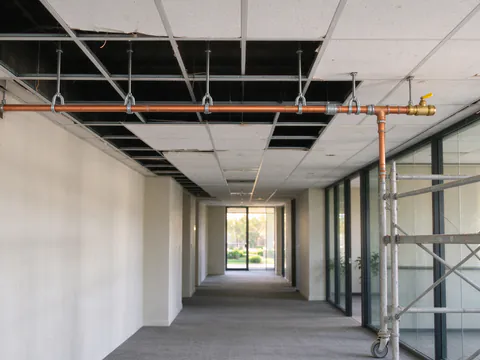
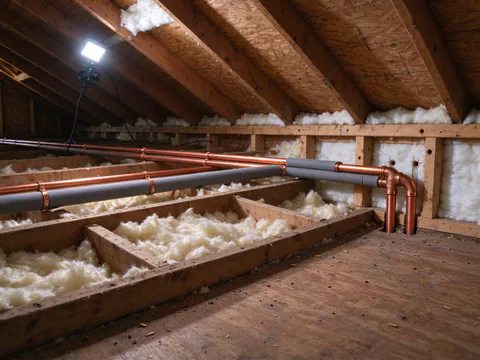
We usually build the new riser beside the old one in the same chase while the water stays on. Type L copper with press-connect fittings is a common choice because it joins without an open flame inside occupied floors; CPVC and PEX are allowed where listed for the size and installed to the 2021 International Plumbing Code with Dallas amendments. The PEX vs copper guide and our copper repiping page compare them.
Each floor gets a new tee and a branch valve, so later work can isolate one unit instead of a whole stack. Supports, anchors and expansion offsets go in per the pipe maker’s instructions, and hot risers are insulated. At cutover, the stack’s water goes off, each floor branch moves to the new riser, and we test and flush the stack. The old riser is then cut out or abandoned in the chase.
Where unit branches stay, each one meets the new riser at a listed transition. Galvanized branches that stay need a dielectric union or brass nipple where they meet new copper, and aged CPVC branches are cut back to sound pipe. If the branches show the same wear as the riser, adding them now usually costs less than a second round of chase openings later, but we price them as their own line so you can decide.
Will residents lose water?
Only the units on the stack being cut over, and only for that window. Riser work needs entry to every unit or corridor chase on the stack, on every floor. You or the association set the access schedule and send notice to residents and occupants; the water shutoff guide covers how cutover windows are planned. Some buildings can keep most floors fed with temporary connections.
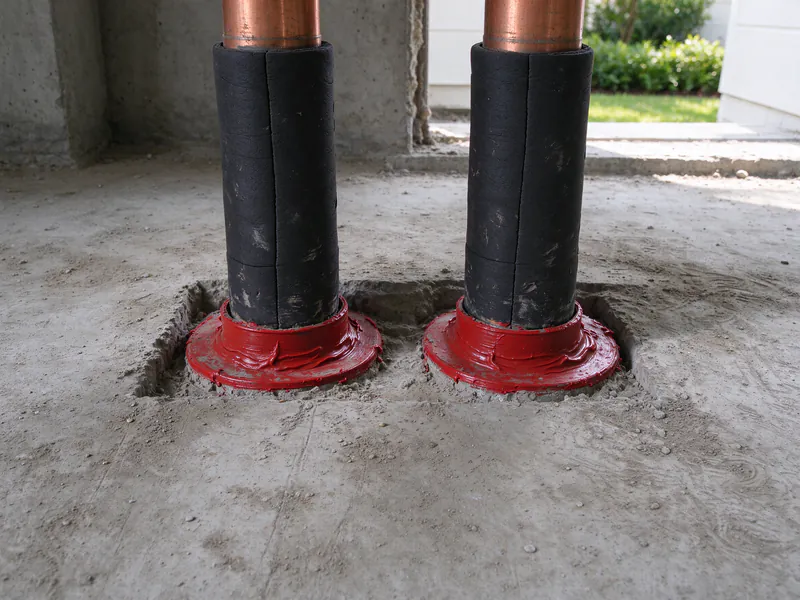
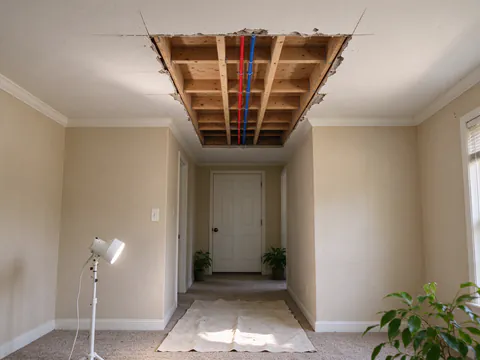
Every rated floor and wall the riser passes through needs a listed firestop system matched to the new pipe. That work is inspected and documented before the chase closes, and our estimate names who does it. Restoration of each chase opening, whether drywall, access panel, tile or paint, is listed floor by floor.
We submit the permit through DallasNow. Each stack gets its rough inspection with the chase open, and closing it first can bring the City’s $200 unauthorized concealment fee. The Dallas repiping permit guide covers the steps.
How we price riser replacement
We price each building after the first visit, because buildings differ in height, layout and access. The main pieces are the number of stacks and floors, pipe sizes, the material, how many floor branches connect, and whether recirculation returns are included. Chases behind tile or finished walls on every floor add work, and so does a building with no working base valves.
Pressure zoning, firestopping, cutover windows and temporary connections, the permit and inspections, and restoration on each floor all move the number, and your written estimate lists each. The repiping cost estimator lists the drivers, and the Dallas repiping cost guide explains how riser quotes are built.
Before you decide
When comparing riser bids, our guide to repiping quotes and warranties shows what each should list: stacks, floors, branch connections and restoration. Owners of business buildings with risers should also read commercial repiping, and the Dallas home repiping guide covers materials and methods in more depth.