The kitchen tap is fine, but the back bathroom shower drops to a trickle whenever someone flushes. The first hot water of the morning comes out the color of tea. In a house built before the mid-1960s, that is usually old steel pipe closing up from the inside. For galvanized pipe replacement, Dallas houses plumbed when zinc-coated steel was the standard are the main candidates. Fullbore Dallas Repiping replaces water supply lines in Dallas homes, from a single bathroom branch to the whole house.
We cut out or abandon the steel inside the agreed boundary, run new PEX or copper from the main shutoff to each fixture, then flush, test and have the City inspect the work. Where steel runs through the whole house, whole-house repiping is the usual scope. Where an earlier remodel already replaced most of it, partial repiping can finish the job.
What we check on the first visit
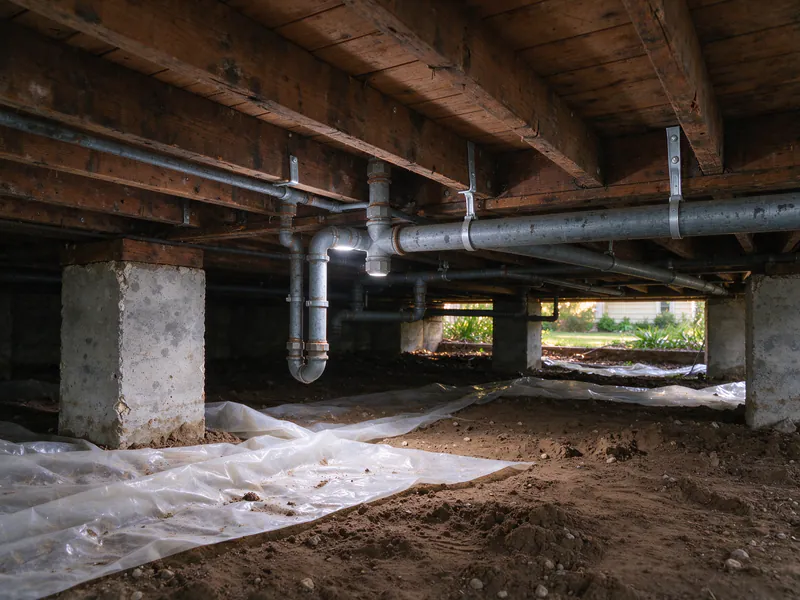
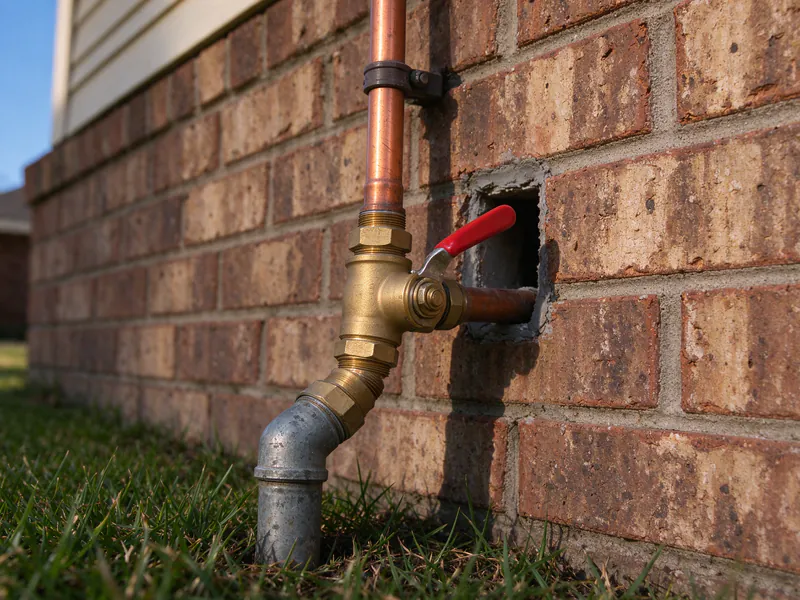
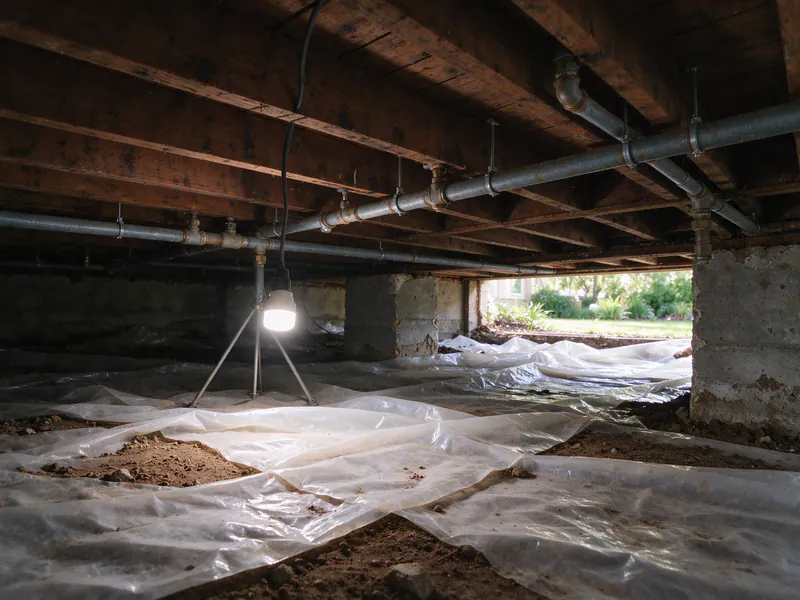
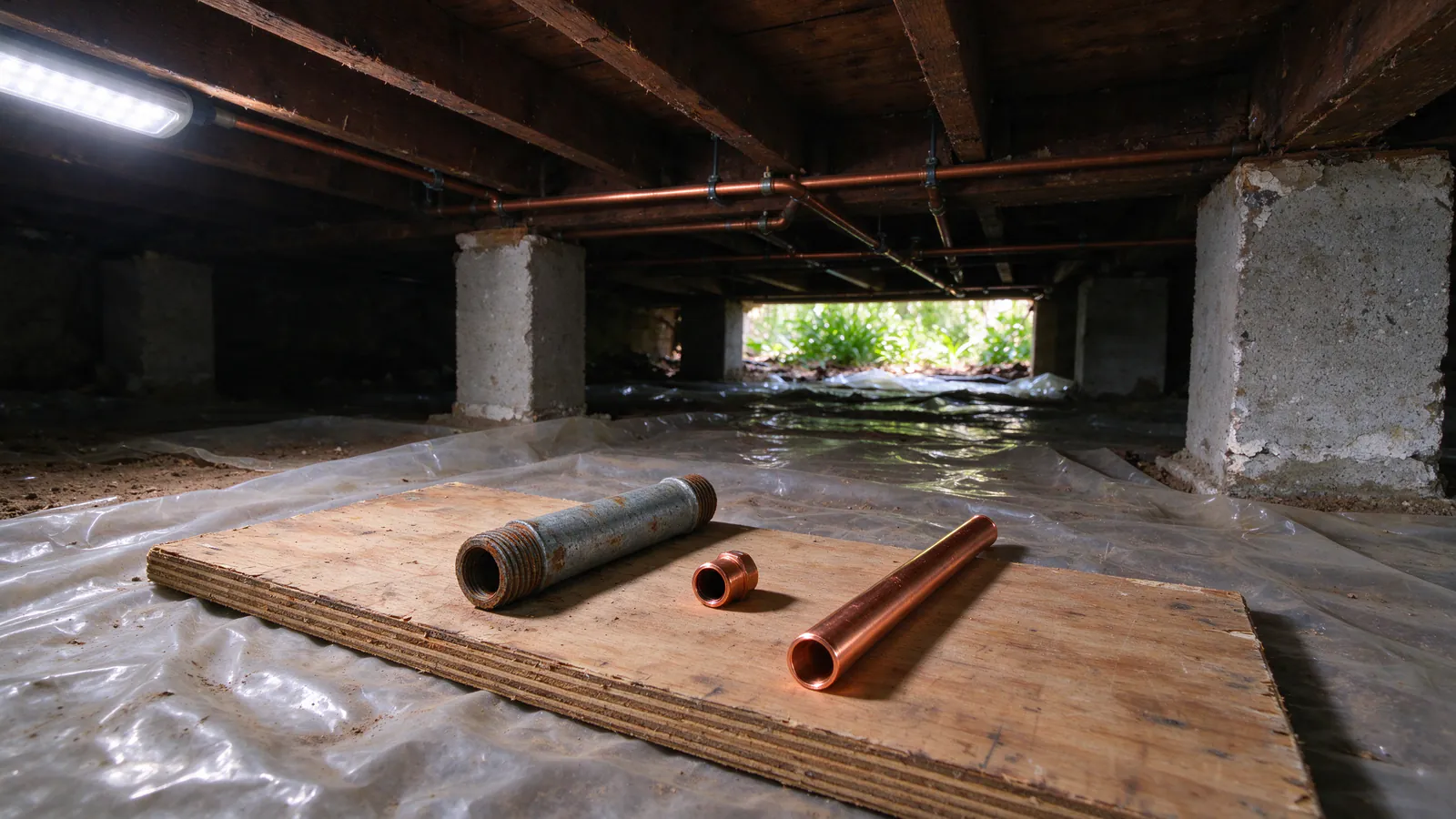
First we find out how much steel is left. Galvanized is dull gray, threaded at every joint and grabs a magnet, which tells it apart from copper and plastic in seconds. We look under the sinks, at the water heater, at the hose bibbs and, in a pier-and-beam house, along the joists in the crawlspace. Many older Dallas houses are a patchwork, with copper repairs spliced into the steel over the years; our pipe identification guide shows you what to look for.
Then we measure. We read static pressure at a hose bibb near the main and compare flow at the nearest and farthest fixtures with a second tap open. Normal pressure with weak far fixtures points to the pipe itself. Low pressure everywhere points to the supply, the main valve, a pressure-reducing valve or the service line, and new pipe would not fix that. We will tell you which it is. The low pressure versus low flow guide explains the test.
Why the far shower goes weak
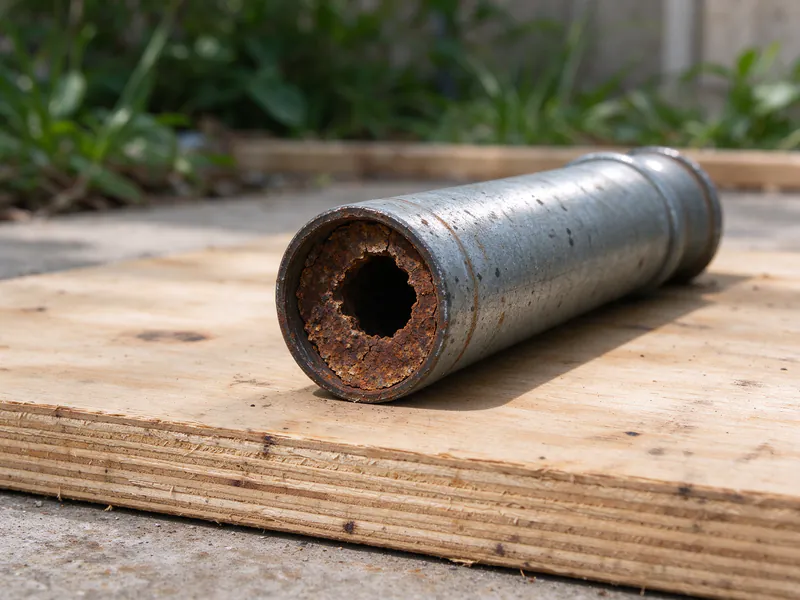
Galvanized steel is ordinary steel pipe with a zinc coating. The zinc protects the steel until it is used up, and then the steel starts to rust. Rust and minerals build on the inside wall as hard lumps, called tuberculation, that narrow the bore year after year. The outside can look fine for decades while the inside closes to a fraction of its size. Warm water speeds it up, so the hot side often goes first.
Threads are the weak point. Cutting threads removes part of the pipe wall, so threaded joints and short nipples rust through before straight runs do. A nipple at the water heater, where steel often meets copper without a proper dielectric fitting, is a classic first leak.
Brown water from the tap?
Rusty water has more than one source. Brown water from the hot taps only, especially first thing in the morning, points to corroded steel or the water heater. Brown water from the cold taps all over the house for a few hours, then clearing, more often comes from the utility side, such as main flushing or a break nearby. The brown water and rusty pipes guide walks through the checks.
Older Dallas neighborhoods and their pipe
Galvanized supply pipe was common in Dallas houses through roughly the 1950s and into the 1960s, before copper took over. The age of the house is a good first clue, though never proof. The U.S. Census Bureau’s 2020-2024 American Community Survey puts the median year built at 1958 in ZIP 75224 and 1960 in ZIPs 75208 and 75218, and in ZIP 75224 more than half of homes, 57.6%, were built before 1960.
Some districts are much older. The City of Dallas gives 1908 as the year Winnetka Heights in Oak Cliff was platted and describes its one-story bungalows and two-story Prairie houses. Houses of that era can have plaster walls, pier-and-beam floors and several generations of plumbing. Our repiping old homes guide covers those conditions, and the Oak Cliff and East Dallas pages cover the neighborhoods.
Wondering how much galvanized is left in your house?
On one visit we read the pressure, compare flow at the far fixtures and trace the steel from the main to each bathroom.
Is the line from the street part of this?
No, it is a separate job. Dallas Water Utilities has sent service-line material notices to customers, and DWU says an “unknown” material is not a positive lead finding. Those notices are about the line from the meter to the house, not the pipe inside your walls, and an interior repipe does not replace the service line. A rusted steel service line can still choke flow before water reaches the house, so we check it before sizing the new pipe. The service line guide explains where the boundary sits.
Will you have to open walls?
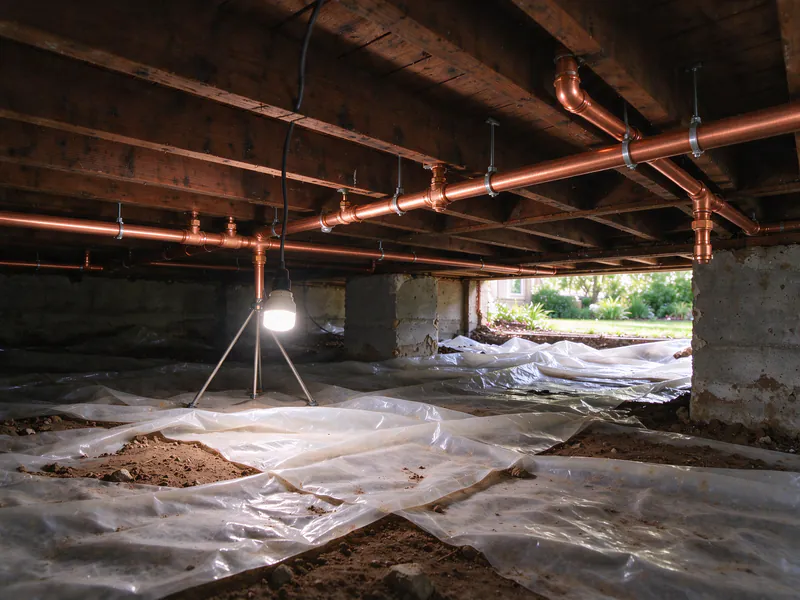
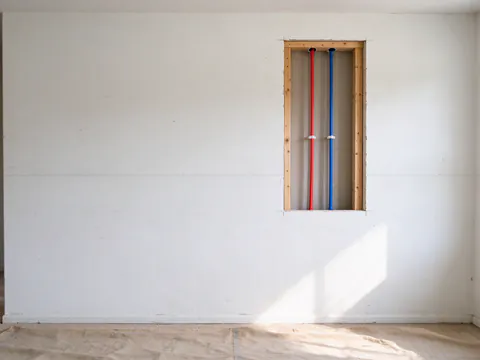
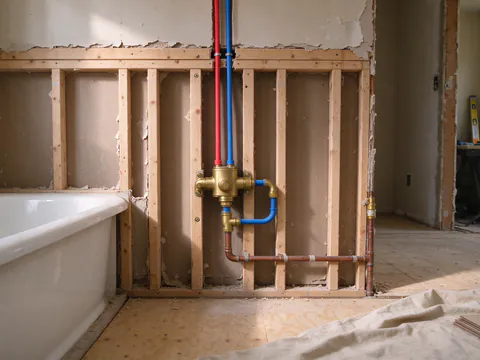
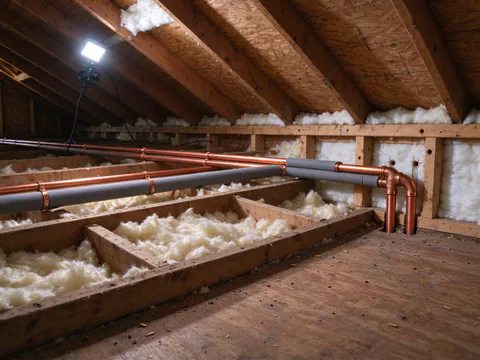
Some. On a slab house we usually run the new lines through the attic and drop them down interior walls, leaving the old steel in the slab capped and out of service. In a pier-and-beam house the crawlspace often carries the new trunk lines, and we insulate them, because a vented crawlspace can get as cold as the outdoors. Openings are still needed where lines reach each fixture, and plaster takes more care than drywall; the wall openings guide covers finish levels.
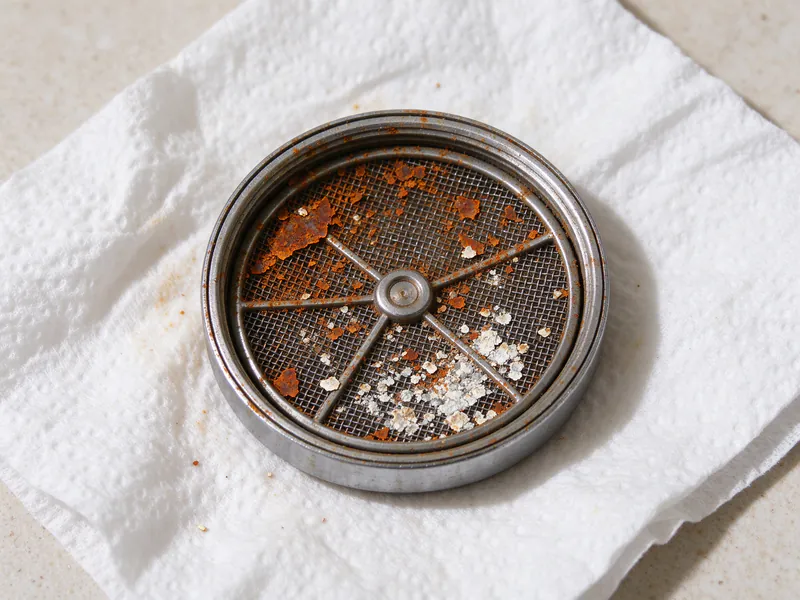
Cutting old steel knocks scale loose. After cutover we flush the lines and check the aerators, shower heads and toilet fill valves, because loosened rust collects at the first screen it reaches. Corroded stops and the main shutoff are usually replaced at the same time. In many older houses the steel pipe was also part of the electrical bonding, so when steel gives way to PEX, have an electrician confirm the bond still runs where it needs to.
Most families stay in the house. We build the new system alongside the old steel, which keeps carrying water until each area is cut over, so the outages come in windows. Your schedule says which days the kitchen, each bathroom and the laundry lose water; the repiping water shutoffs guide explains how those are planned. We submit the permit through DallasNow, and the City inspects the rough-in before walls close and again at final.
What galvanized replacement costs
When the whole house is replaced, the new system is PEX or copper, so our whole-house ranges apply. Our typical range for a whole-house PEX repipe in Dallas is $4,500 to $15,000 and up, and for a whole-house copper repipe $8,500 to $18,000 and up. Older houses tend to land higher in those ranges: plaster walls, pier-and-beam access, a second story and more transitions to steel that stays all add work.
For a partial job, we price it after the first visit from how much steel remains and where, the fixtures and branches, stories, slab or crawlspace access, plaster or drywall, valve and PRV replacement, the water heater connections, the permit and the patch-and-paint scope. Your written estimate lists each. The repiping cost estimator walks through the drivers, and the Dallas repiping cost guide explains how to compare quotes on the same boundary.
Before you decide
The repair-or-repipe guide covers when one more repair still makes sense, and the PEX versus copper guide helps you pick the replacement material. If you lean toward metal, see copper repiping. For the full picture, start with the Dallas home repiping guide.