How do Dallas repipes avoid breaking the slab?
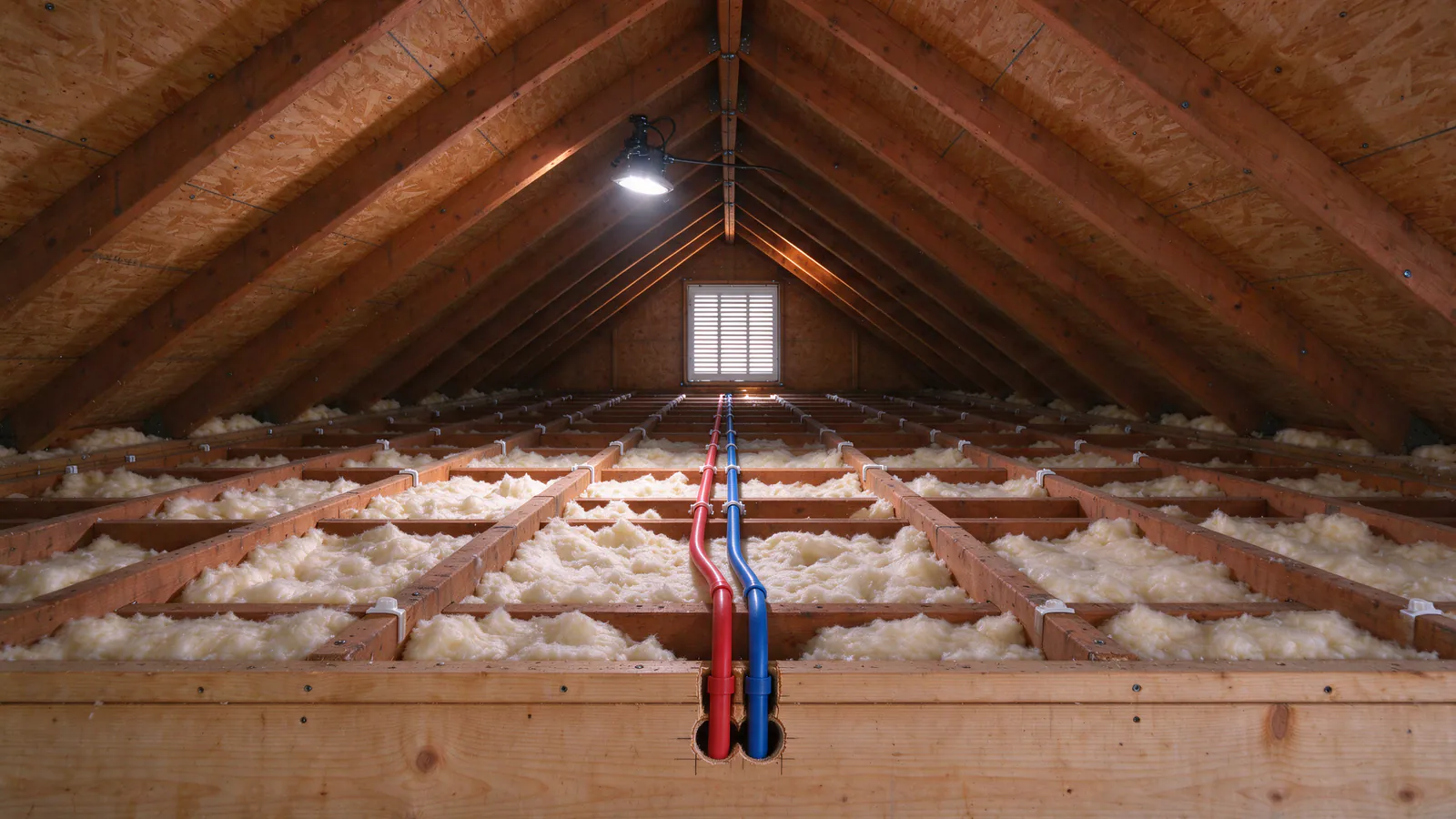
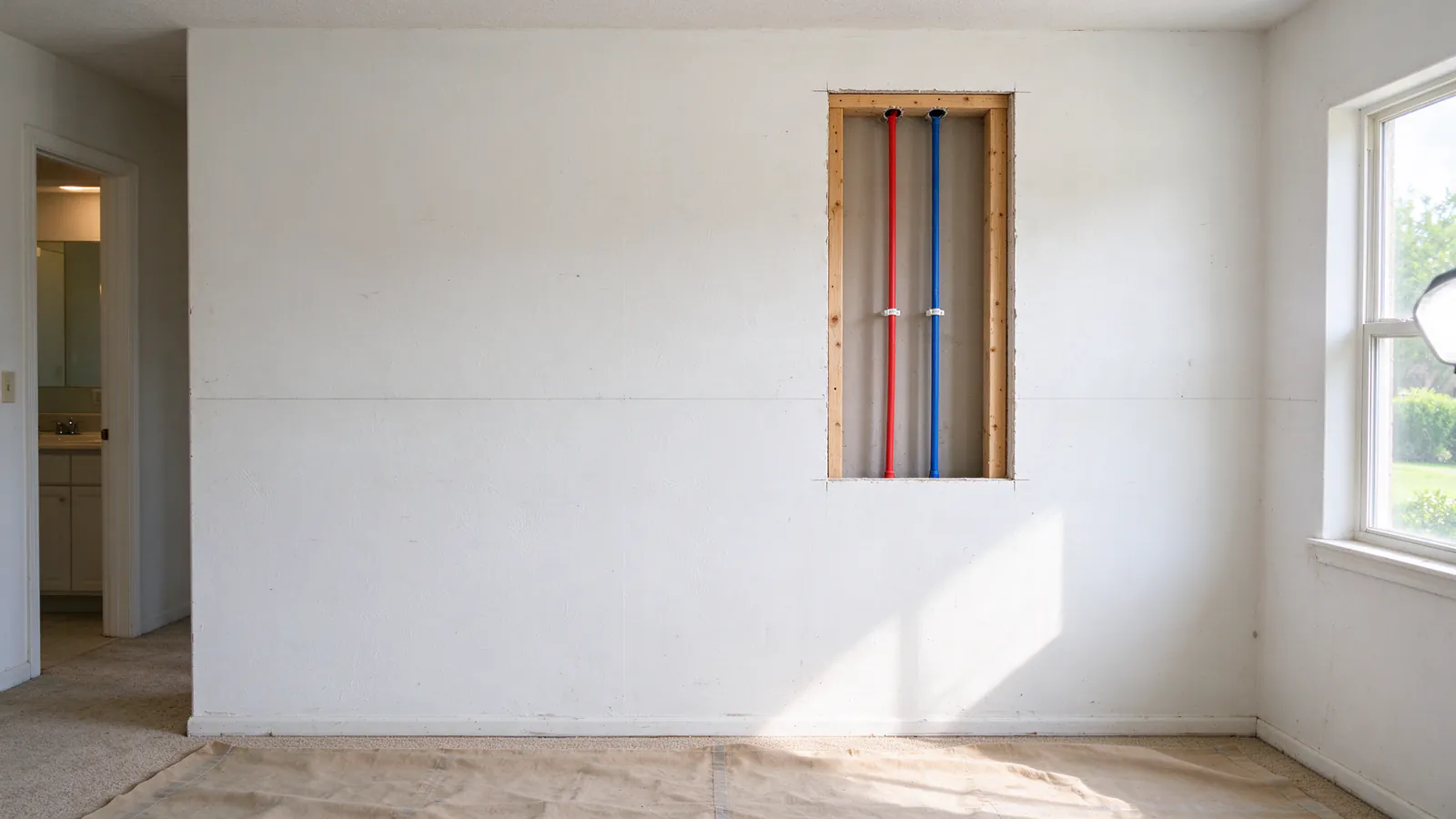
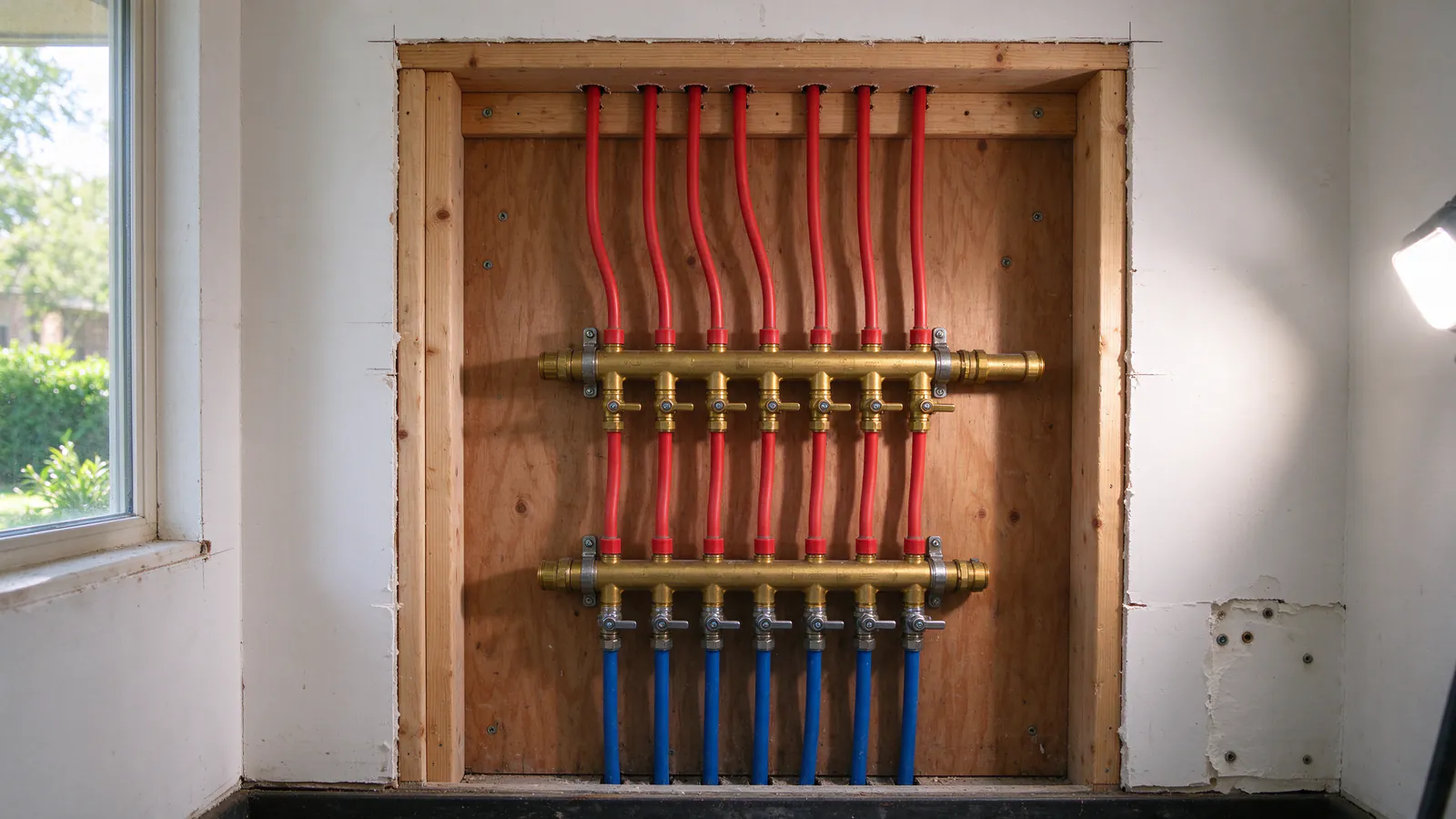
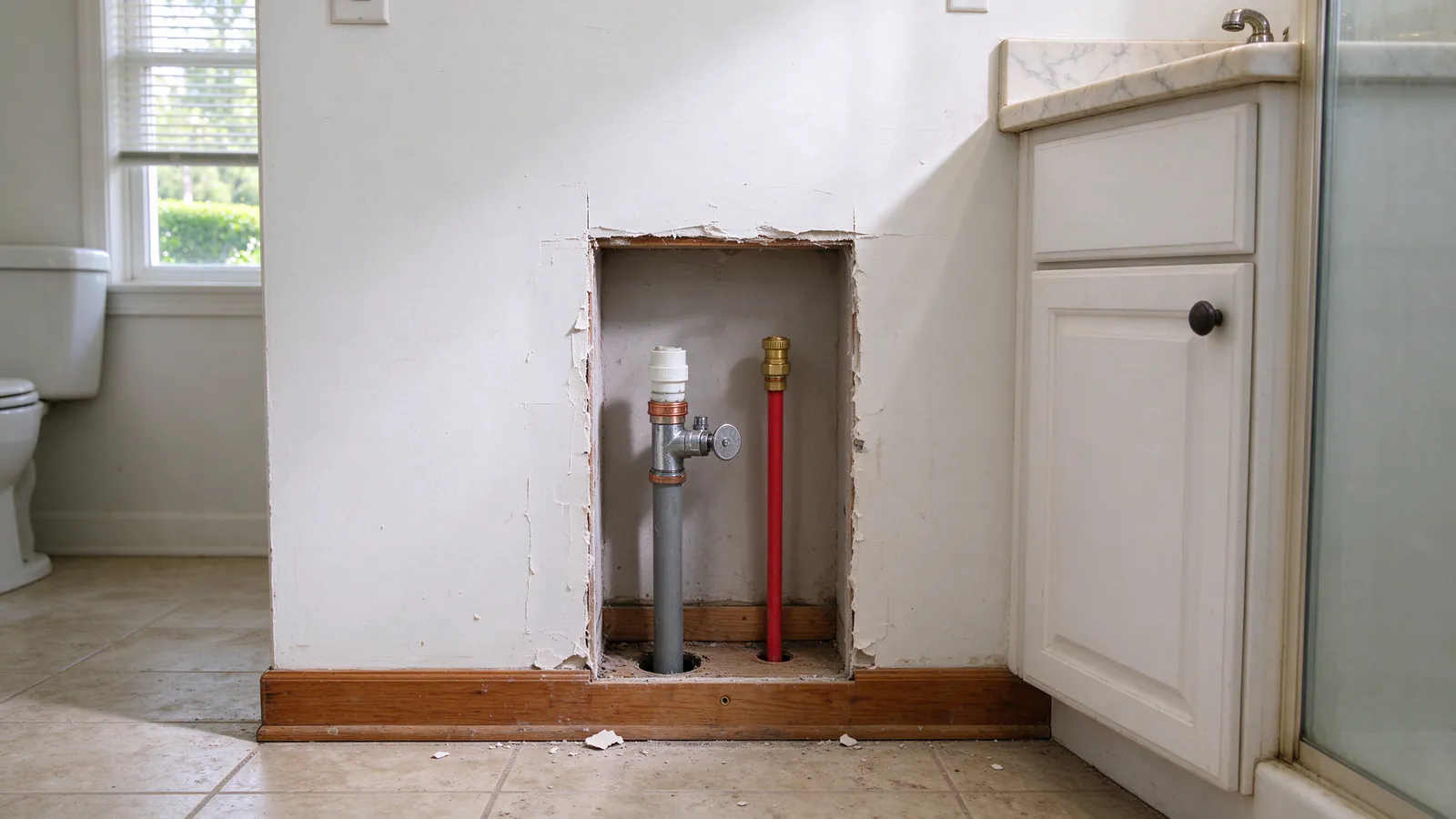
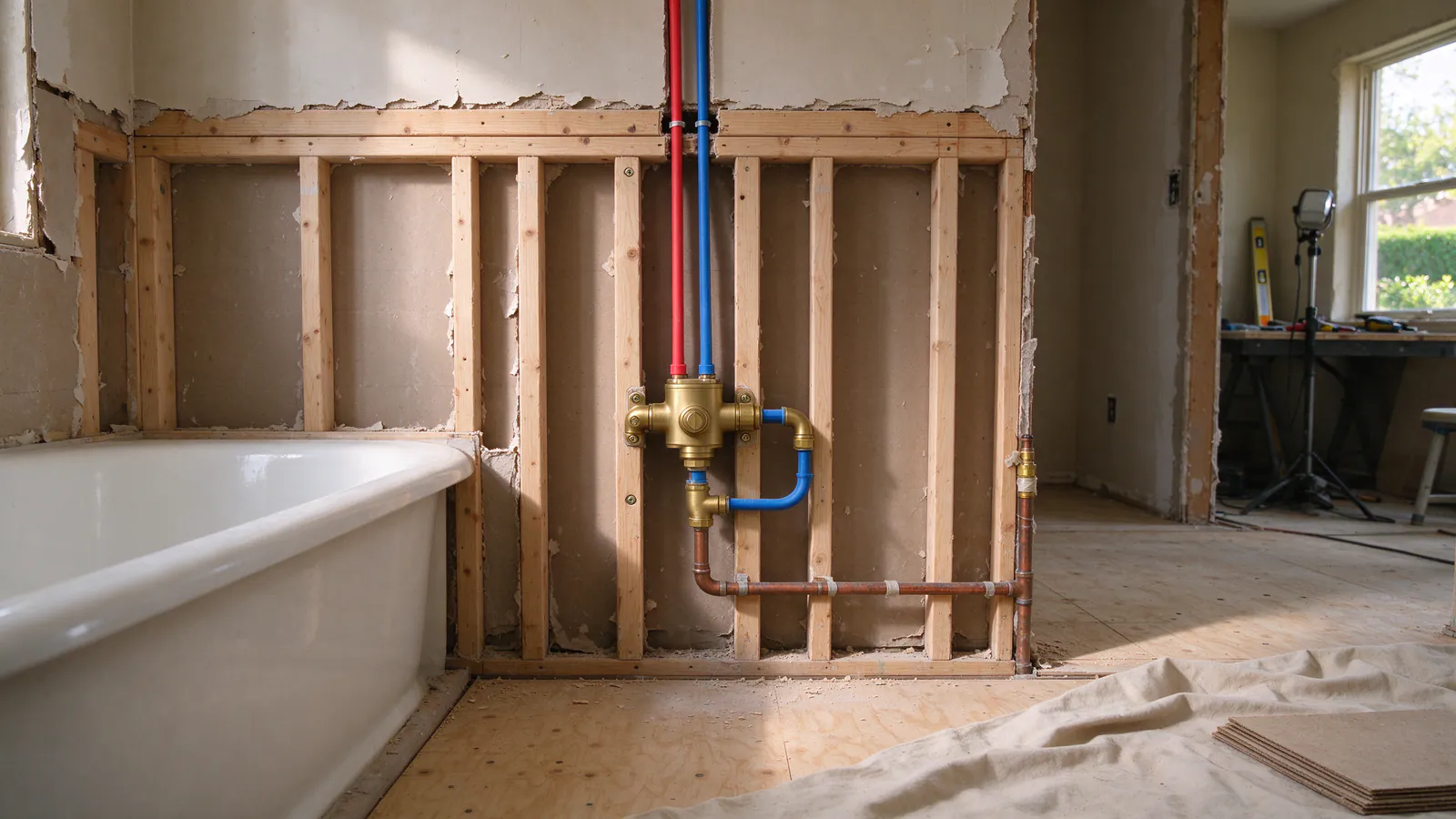
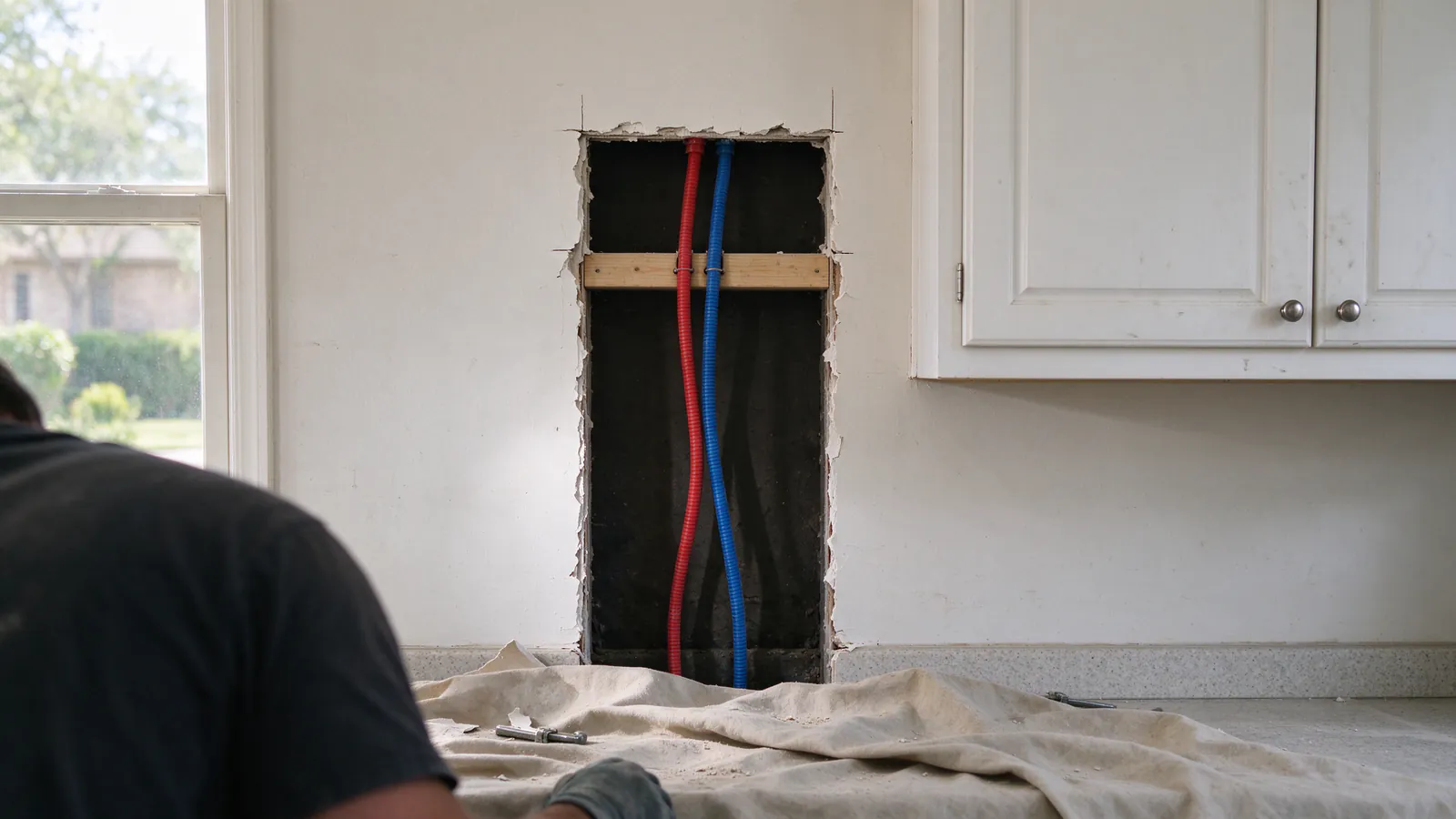
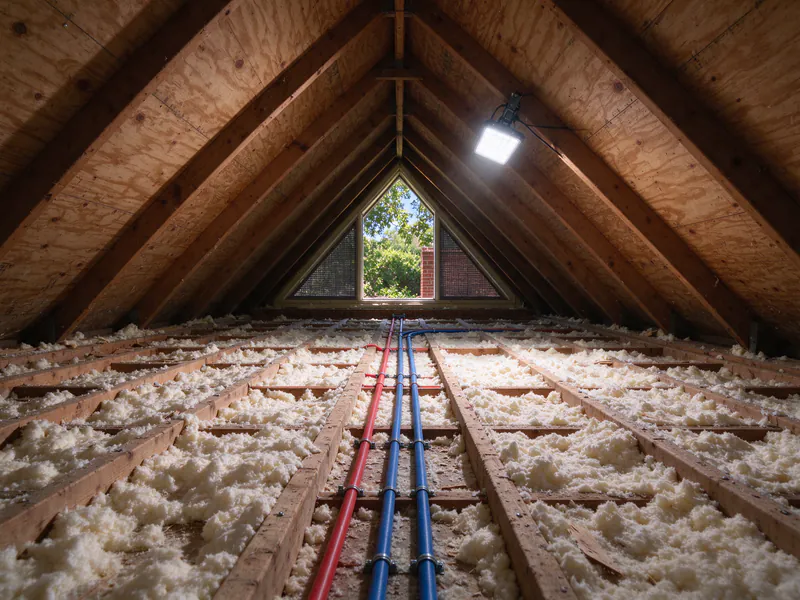
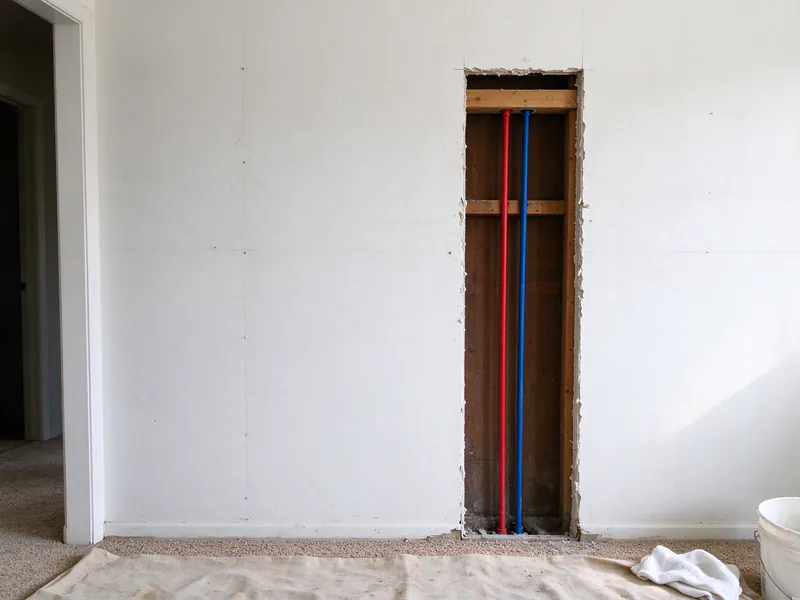
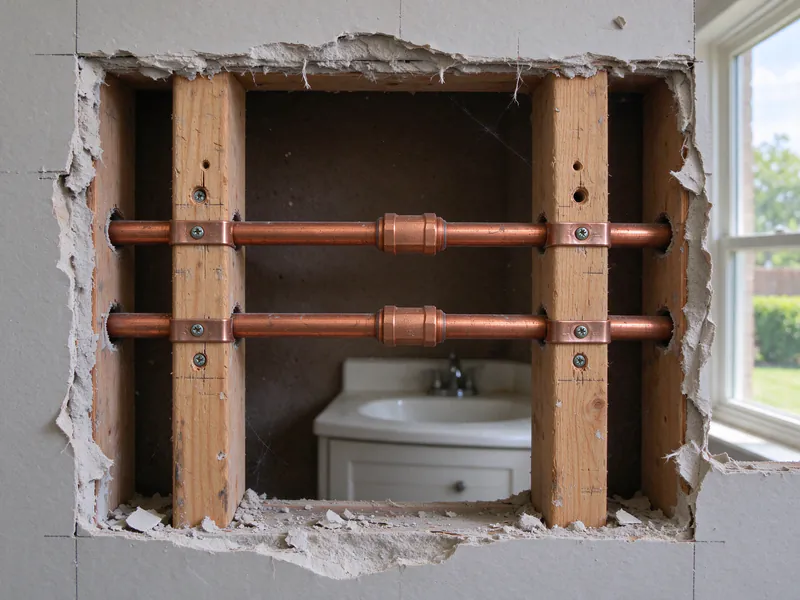
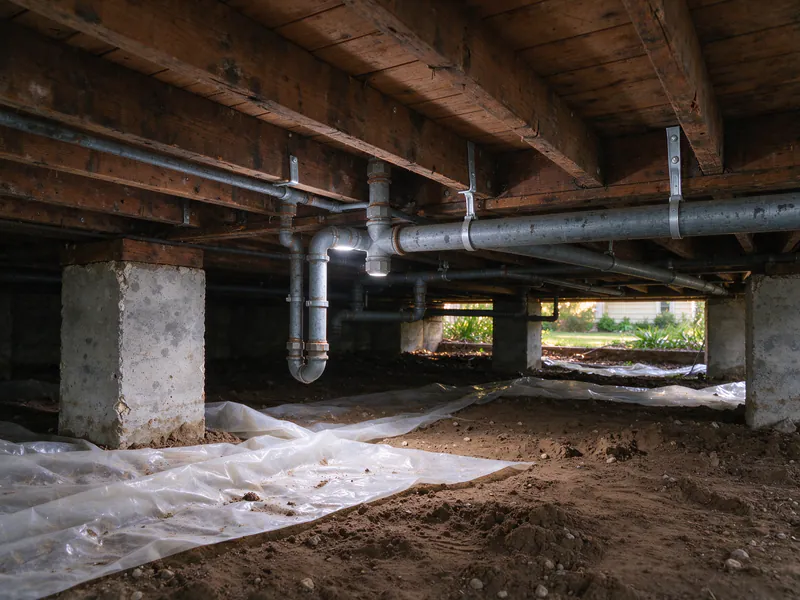
Most Dallas houses sit on a slab, and the original supply lines often run in or under it. We leave those lines where they are, cap them, and run the new pipe through the attic, dropping down interior walls to each fixture. That trades a few small wall openings for no concrete cutting. Where a house has no usable attic path, we explain the alternative before any work starts.
How much does it cost to repipe a house in Dallas?
Our typical range for a whole-house PEX repipe in Dallas is $4,500 to $15,000 and up. Our typical range for a whole-house copper repipe in Dallas is $8,500 to $18,000 and up. Two stories, more baths, plaster or tile in the path, slab routes and full finish work push a house toward the top. We price every house after the first visit, and the written estimate sets your number.
Which pipe materials turn up in Dallas houses of different ages?
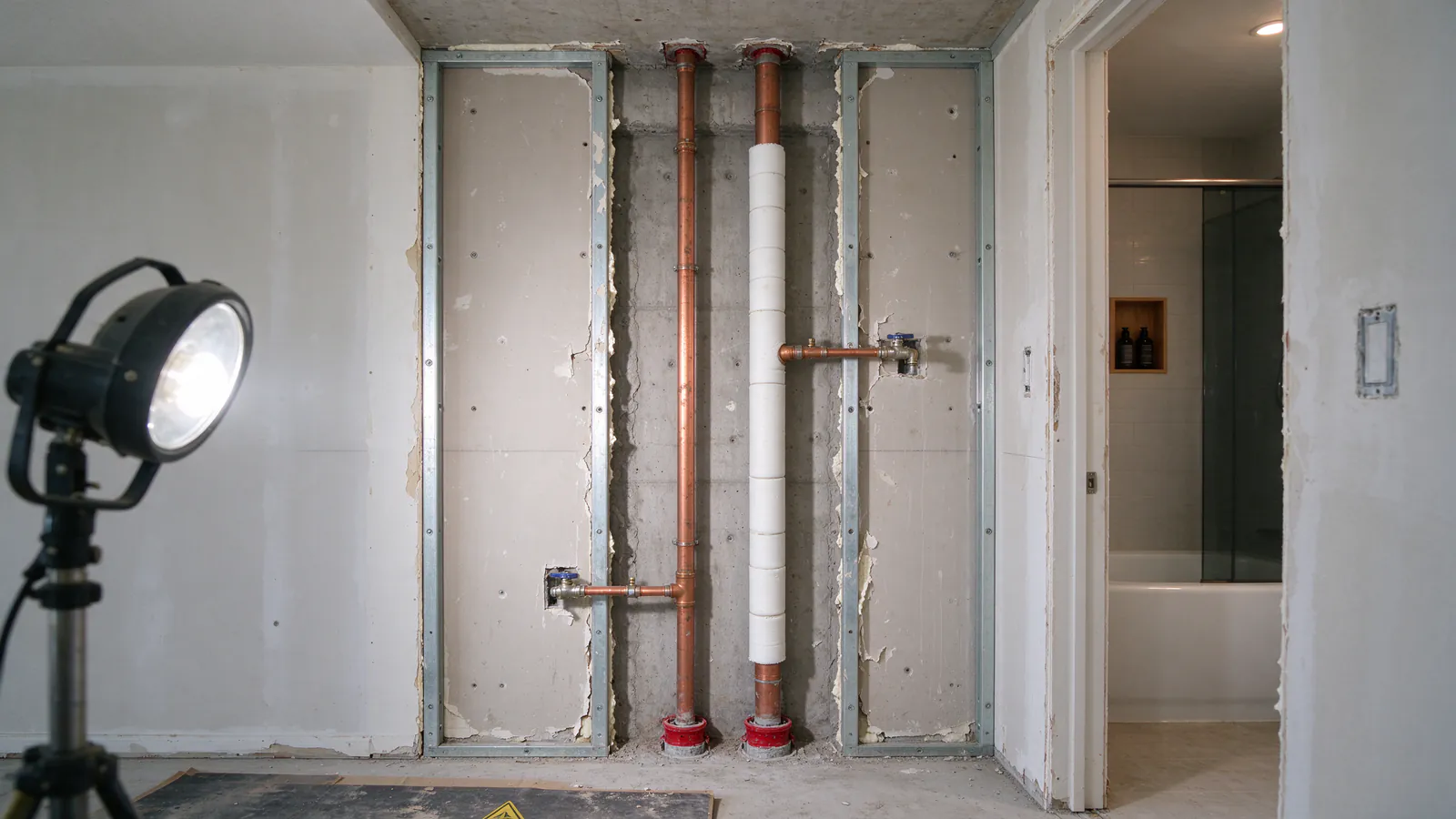
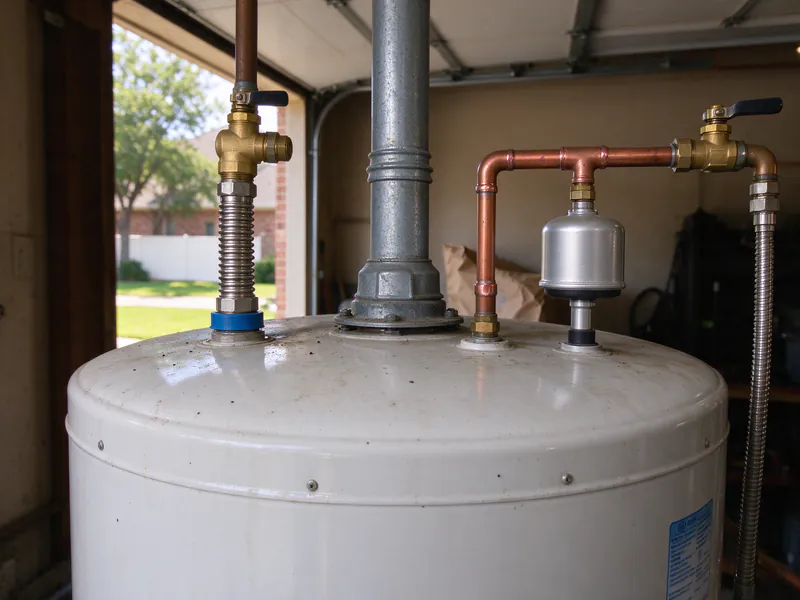
As general trade history, galvanized steel was common in Dallas housing plumbed through roughly the 1950s and 1960s, copper after that, CPVC and polybutylene in some 1970s to 1990s construction, and PEX in newer work. Many houses mix several after decades of repairs. Build year only suggests what to look for; the pipe itself, at the water heater and under the sinks, confirms it.
Does a Fullbore repipe include sewer, gas or the service line from the street?
No. Our repipe covers the interior hot- and cold-water piping, valves, testing, reconnection and the wall restoration we agree. Sewer and drain piping, gas piping, the underground water service line, standalone water heater replacement and epoxy lining are separate jobs. If one of those also needs attention, it is planned and permitted on its own, and your estimate says where our work stops.
How long is a Dallas household without water during a repipe?
Usually only for the tie-ins. We install the new lines alongside the old system while it keeps running, then shut the water off to connect at the main and switch each bathroom or the kitchen over. Your written plan says which fixtures are off on which days, so you can plan around it.
Does Dallas's hard water cause pinhole leaks in copper?
Not on the evidence. A December 2023 City memo puts Dallas Water Utilities water at 120 to 155 mg/L hardness as calcium carbonate, which is moderately hard to hard. That explains scale in water heaters, aerators and showerheads. Pinholes come from pitting corrosion, and the causes vary by house, so we read a pinhole pattern from where the leaks happen rather than blaming hardness alone.
Can PEX in a Dallas attic handle summer heat and winter freezes?
Listed PEX is rated for hot water service, but an attic is still hard on it. We keep it out of direct sunlight near the gable vents, support it at the maker's spacing and sleeve it through framing. Freezes still happen, as NWS Fort Worth documented during the February 2021 storm, so we keep runs on the warm side of the insulation where possible and insulate them near the eaves.
Which parts of Dallas does Fullbore Dallas Repiping cover?
We work across the City of Dallas, organized into ten districts: Central, East, Far North, North, Northwest and West Dallas, Lake Highlands, Oak Cliff, and Southeast and Southwest Dallas. Each district page lists its neighborhoods and housing-age figures by ZIP. Properties just outside the city limits may fall under a different permit authority, so we confirm that by address.
Is there a City of Dallas program that helps owners pay for major plumbing?
The City's Home Improvement and Preservation Program, run by Volunteers of America Texas, offers major-systems repair help of up to $24,000 as a forgivable loan for eligible owner-occupied homes. The City opens short application windows, so check the program page for its current status. We are not a program participant and can't tell you whether you qualify.
What does the first visit for a Dallas repipe actually check?
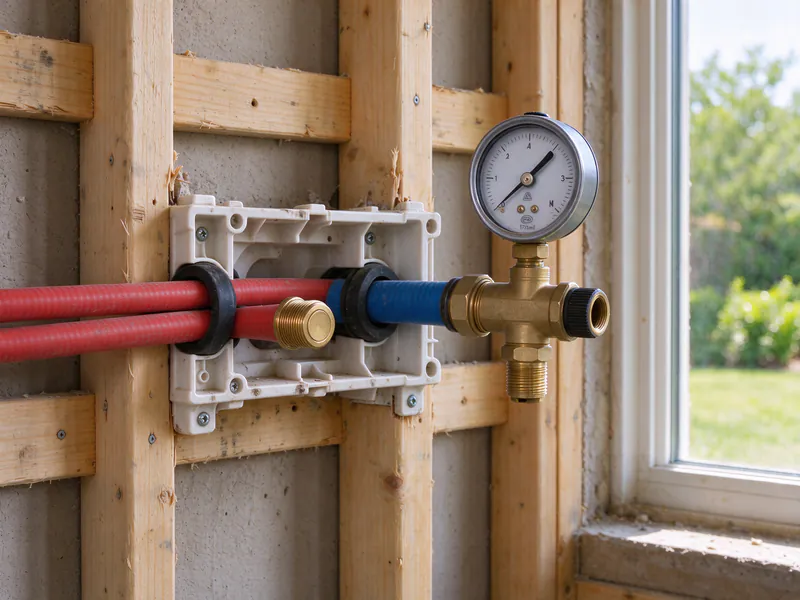
We confirm the pipe material at the water heater, under the sinks and at the main shutoff, count your fixtures, and trace the route from the main to each bathroom and the kitchen. We check static pressure and the PRV, so a supply problem isn't mistaken for tired pipe, and look in the attic for a clear overhead path. That tells us whether a repair, a partial repipe or the whole house fits.